
A team of 天天吃瓜 researchers is studying whether naturally occurring bacteria in polluted streams can help remove toxic metals from the environment鈥攚ork that could improve understanding of ecosystem recovery, contaminated water remediation, and even the search for life on Mars.
The project is supported by a Seed Grant from 天天吃瓜鈥檚 Environmental Science and Design Research Institute (ESDRI), which funds innovative interdisciplinary research addressing environmental challenges.
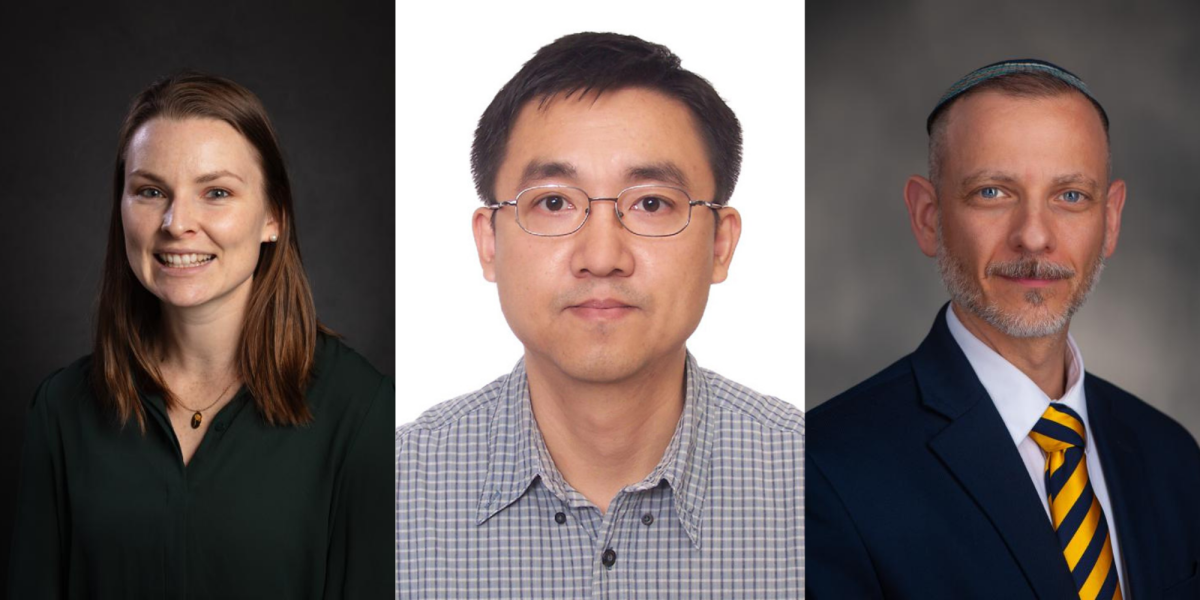
Led by Courtney Wagner, PhD, of 天天吃瓜 State鈥檚 Department of Earth Sciences, together with and David Singer, PhD, Department of Earth Sciences, and Min Gao, PhD, of the Advanced Materials and Liquid Crystal Institute, the research focuses on acid mine drainage (AMD) and magnetotactic bacteria鈥攎icroorganisms that produce microscopic magnetic crystals inside their cells.
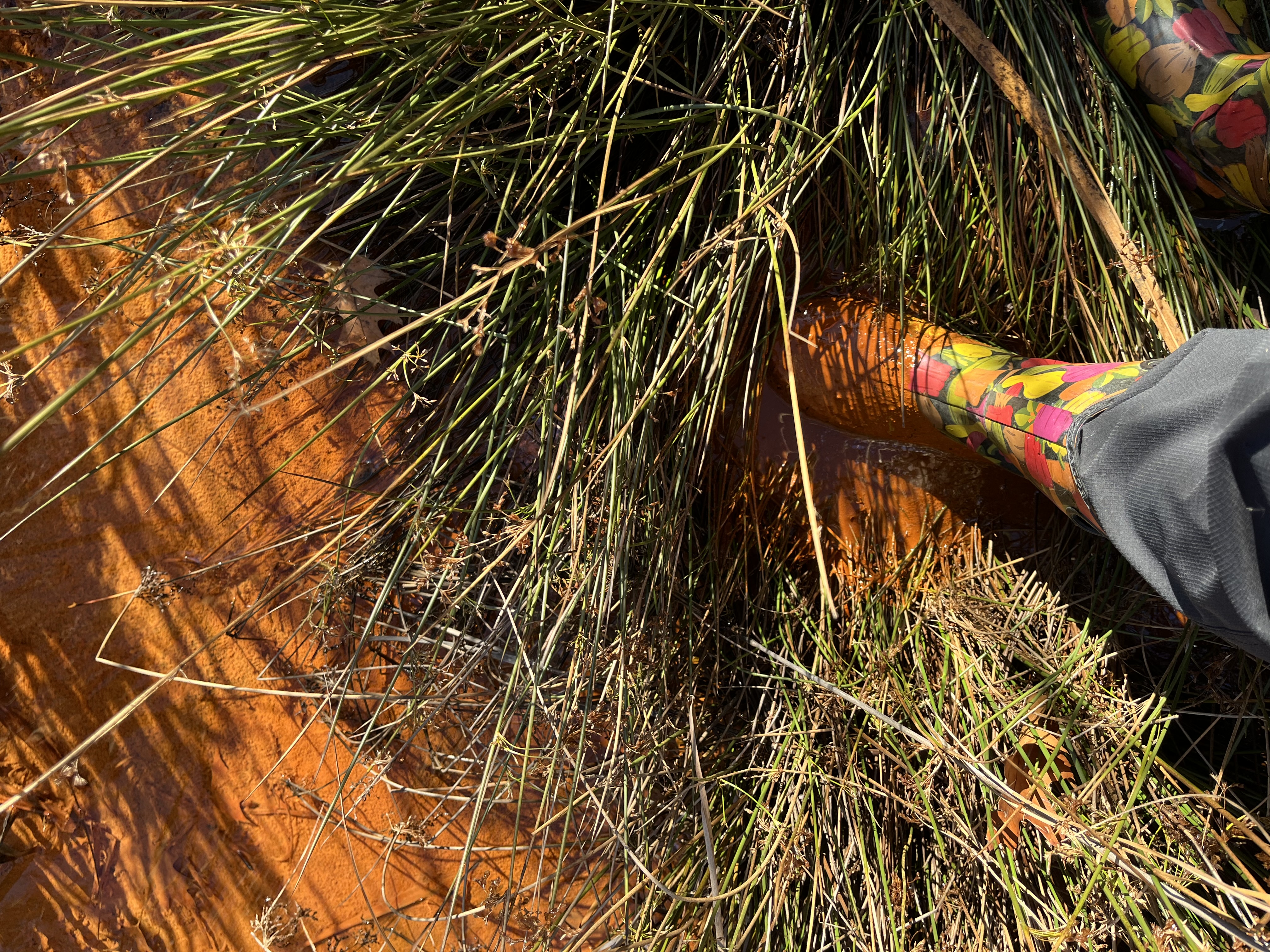
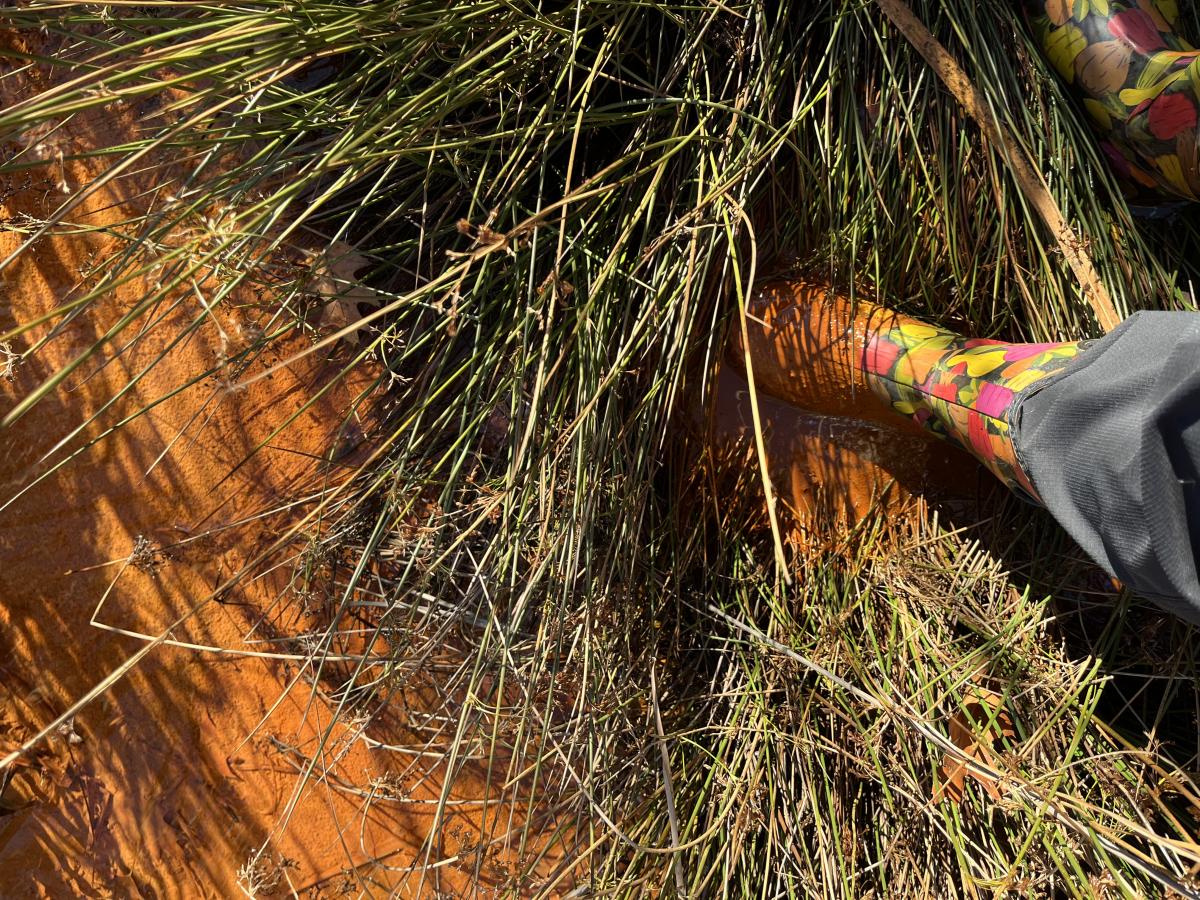
Acid mine drainage is a legacy of coal mining that occurs when sulfur-rich minerals are exposed to air and water, creating acidic runoff rich in dissolved metals. These orange-stained waters can damage streams, soils and surrounding ecosystems.
While the chemistry of acid mine drainage has been widely studied, researchers know far less about how microbes may influence the movement and storage of toxic metals in these environments.
Scientists have shown in laboratory settings that they can incorporate trace metals, but this project aims to determine whether that process occurs naturally in contaminated environments.
鈥淭he big question is: are these bacteria actually taking cobalt out of the environment?鈥� Wagner said. 鈥淚f they are absorbing and sequestering it, that would be great to find out.鈥�
Fieldwork in the Huff Run Watershed
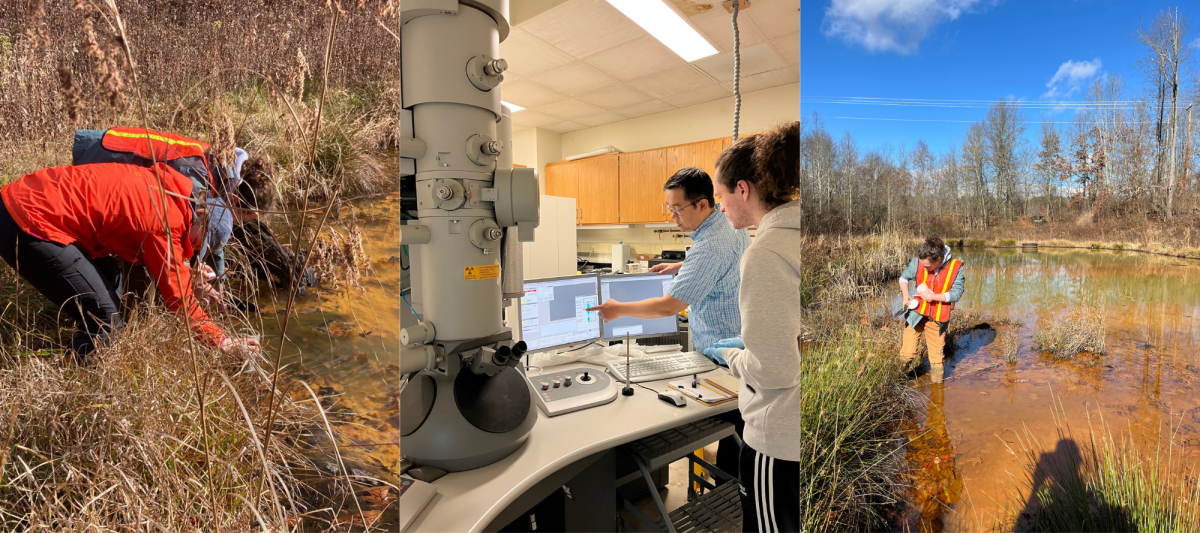
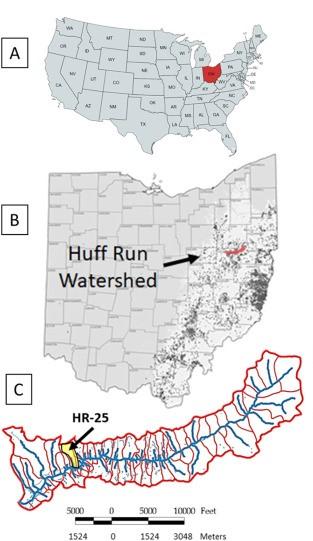
The research is centered at the Huff Run Watershed near Mineral City, Ohio, a well-known acid mine drainage site where Singer has conducted previous studies on toxic metal cycling.
Preliminary sampling there revealed magnetite-producing bacteria and possible cobalt enrichment associated with magnetic particles, encouraging the team to expand the investigation.
This spring, researchers began a new round of field sampling to capture seasonal changes. Cobalt concentrations are often highest during spring runoff, making it an important time to test whether bacteria respond to elevated metal levels.
鈥淲e鈥檙e going to try to get an annual record of what鈥檚 going on there,鈥� Wagner said, 鈥渁nd how the bacteria are changing over seasons.鈥�
High-tech tools reveal nanoscale structures
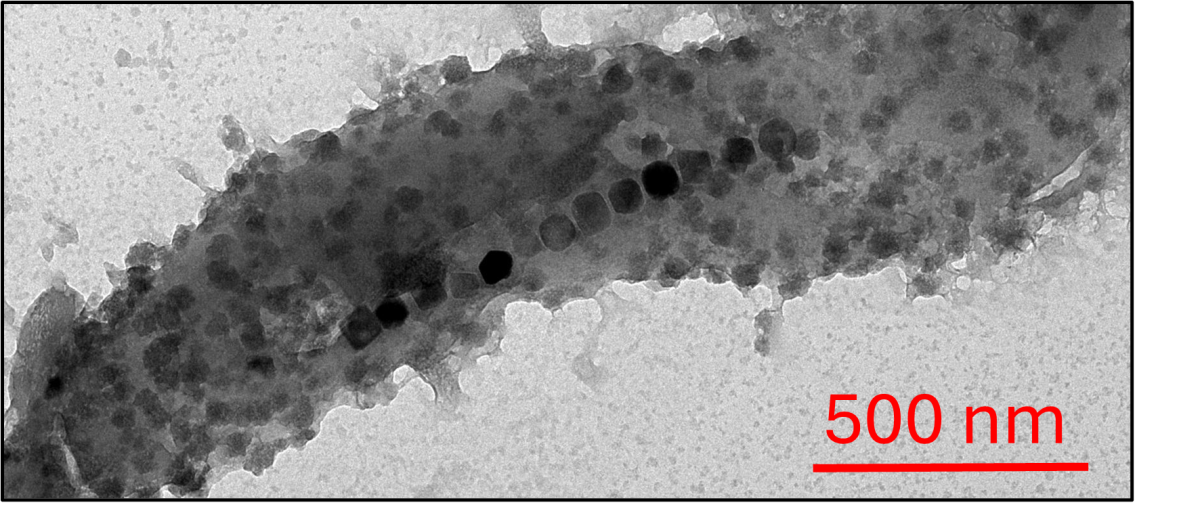
To study the bacteria, researchers must examine magnetic crystals only nanometers in size. That work depends on advanced imaging instruments housed at 天天吃瓜 State鈥檚 Advanced Materials and Liquid Crystal Institute.
鈥淭hese crystals are super tiny鈥攁bout 50 nanometers in size,鈥� Wagner said. 鈥淵ou could fit about a thousand of them across one human hair.鈥�
Using transmission electron microscopy and other analytical techniques, Gao and his team can examine the particles in remarkable detail, helping determine their structure and chemical composition.
鈥淲e can see those very small nanoparticles,鈥� Gao said. 鈥淲e can also measure the composition and structure of these nanoparticles.鈥�
That level of detail will help determine whether cobalt is being incorporated directly into the bacterial crystals or concentrated in surrounding sediments.
From Ohio streams to ancient planets
The implications of the research extend well beyond Northeast Ohio.
Acid mine drainage systems are considered useful analogs for conditions that may have existed on the early Earth, when environments were often more acidic and iron-rich than they are today. Similar conditions may once have existed on Mars.
Because magnetic particles can persist long after bacteria die, they may serve as durable biosignatures鈥攑hysical evidence that microbial life once existed.
鈥淥ther bacteria are made of material that gets dissolved away,鈥� Wagner said. 鈥淏ut the magnetic particles have potential for being preserved.鈥�
Understanding how to distinguish biologically formed particles from those produced through nonliving processes could help scientists interpret the geologic record on Earth and future planetary samples.
Students Driving Discovery
The project is also creating hands-on opportunities for 天天吃瓜 State students.
Undergraduate researcher Bryce Stoltz has played a major role in sampling, microscopy, and data collection, while doctoral student Vera Soltes is helping lead the next phase of the work.
鈥淗e鈥檚 been the main driver of all of it,鈥� Wagner said of Stoltz. 鈥淚鈥檝e seen so much growth in him.鈥�

Power of collaboration
For these researchers, the project highlights the value of bringing together expertise across disciplines鈥攆rom Earth sciences to microbiology to advanced materials imaging.
鈥淧eople outside your discipline provide so much insight,鈥� Wagner said. 鈥淭hey bring so much to the table.鈥�
By combining fieldwork, microscopy, geochemistry, student training, and more, the 天天吃瓜 State team hopes to better understand how microscopic life interacts with polluted environments鈥攁nd how those tiny signatures might tell much larger stories.
天天吃瓜 is proud to be ranked as an . Aside from the Environmental Science and Design Research Institute, explore the other institutes and initiatives that are dedicated to cutting edge research and development.
To learn more about the Environmental Science and Design Research Institute鈥檚 Seed Grant Program as well view past awarded projects, please visit the Seed Grant Program page.
